
بقلم: عائشة حموضة
قيادية نقابية ومستشارة سياسات عمالية
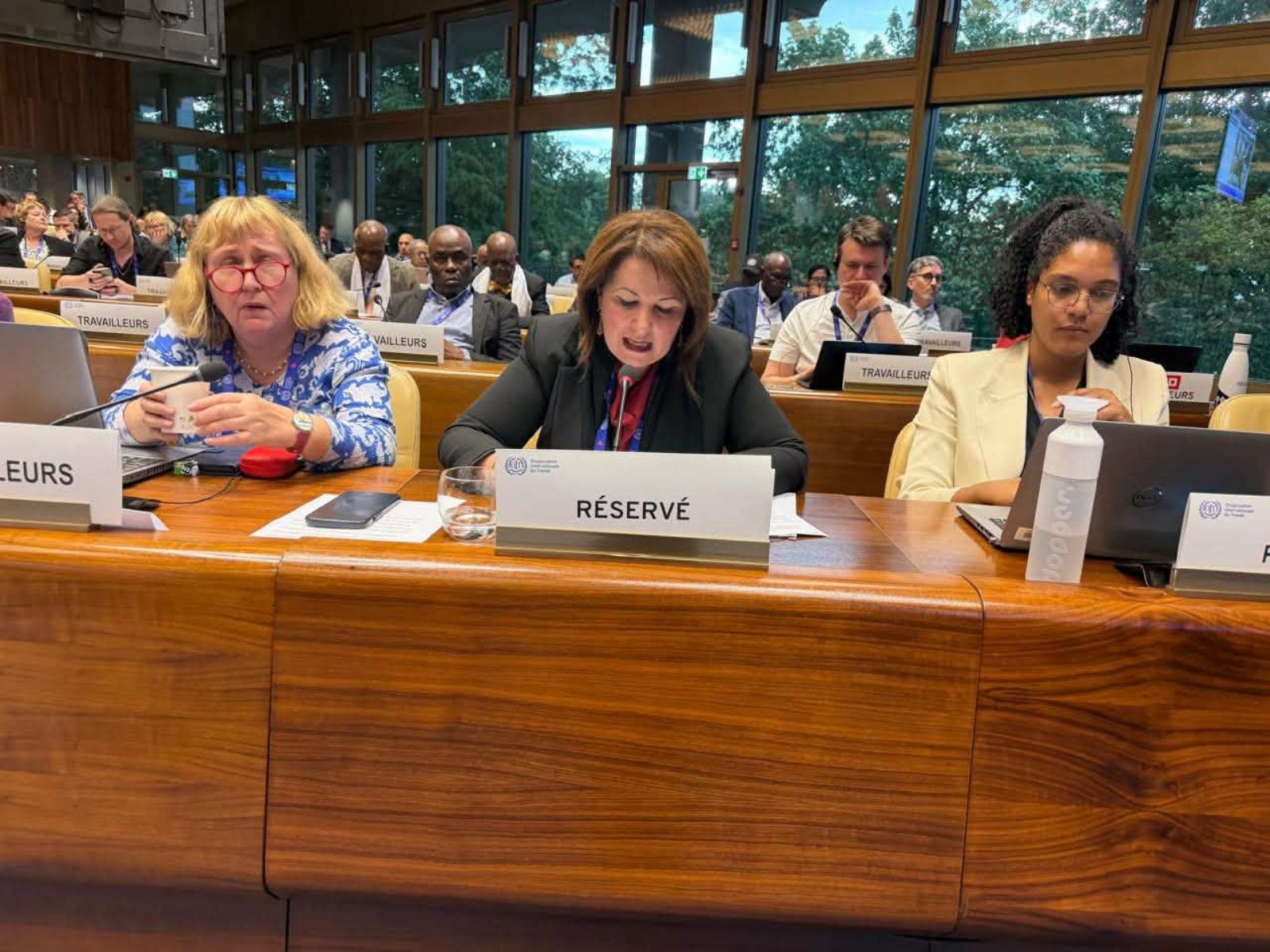
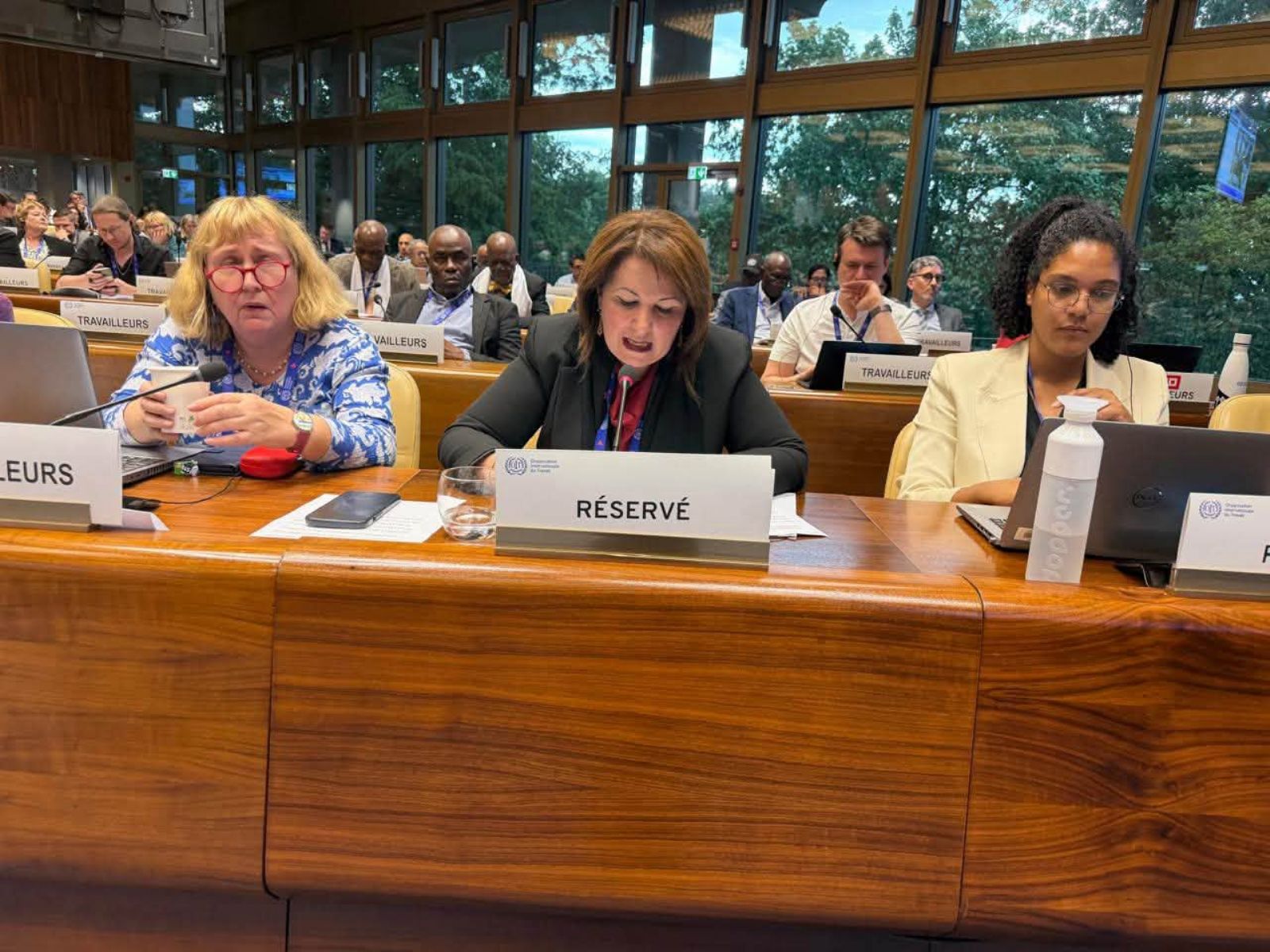
تأتي المشاركة في أعمال الدورة (114) لمؤتمر العمل الدولي لعام 2026 في لحظة تاريخية فارقة؛ لحظة تتداخل فيها الأزمات الجيوسياسية الطاحنة مع ثورة تكنولوجية غير مسبوقة تقودها الخوارزميات والذكاء الاصطناعي، وتراجع مقلق للحقوق والحريات النقابية عالمياً وفقاً لمؤشر أهداف التنمية المستدامة (8.8.2). إن الجلوس في قاعات لجان منظمة العمل الدولية ومتابعة ديناميكيات التفاوض الصاخبة، ليس مجرد حضور بروتوكولي، بل هو معايشة حية لـ "معركة تشريعية ومفاهيمية كبرى" تخوضها أطراف الإنتاج الثلاثة (الحكومات، أصحاب العمل، والعمال). لقد تحولت أروقة اللجان هذا العام إلى ساحات اشتباك فكري وسياسي محتدم، لم تُحسم جولاته إلا بجدالات عاصفة وتصويت شرس، بهدف الانتقال بالعدالة الاجتماعية من شعاراتها النظرية إلى طور المأسسة الحقيقية والملزمة.
وقد تلخص هذا الصراع العالمي حول مفاهيم "العمل اللائق" (Decent Work) والعدالة عبر ديناميكيات أربع لجان أساسية حددت معالم هذا المؤتمر:
1. لجنة الحوار الاجتماعي والثلاثية: من التشاور الشكلي إلى المأسسة الحقيقية
أعادت النقاشات الساخنة داخل هذه اللجنة صياغة الإطار الفلسفي للتفاوض. لقد كشف تقرير المنظمة عن فجوة هيكلية مرعبة: ثلث عمال العالم فقط (33.4%) تشملهم اتفاقيات المفاوضة الجماعية، في حين يخضع الثلثان لعقود فردية أو ترتيبات هشة غير منظمة. هنا اندلع الخلاف الجوهري؛ حيث دافع القطاع الخاص (أصحاب العمل) عن "المرونة الاقتصادية" وحق المؤسسات في التكيف مع الأزمات دون قيود مكبلة، بينما خاض ممثلو العمال معارك ضارية للتأكيد على أن إنشاء مؤسسات الحوار الاجتماعي لا يكفي بحد ذاته إذا كان الحوار شكلياً ومجرد أداة للاستشارة بعد صدور القرارات.
شهدت الجلسات صراعاً مفاهيمياً وتصويتاً حاداً حول آليات إلزام الحكومات بجعل نتائج الحوار ثلاثي الأطراف محركاً بنيوياً في صنع السياسات الاقتصادية والمالية الكلية، وليس مجرد لجان بروتوكولية للاجتماعات الدورية. بالنسبة لنا، كانت المعركة تدور حول مأسسة الحوار كأداة لتقليل الاستقطاب وبناء الديمقراطية في سوق العمل.
2. لجنة العمل اللائق في اقتصاد المنصات (Platform Economy): معركة الهوية القانونية وحكم الخوارزميات
مثّلت هذه اللجنة المطبخ التشريعي الأكثر استقطاباً وسخونة، حيث شهدت صياغة مسودة الاتفاقية والتوصية التاريخية لعام 2026 ثمرة نضال بدأ منذ عام 2023. هنا تجسد التناقض الصارخ بين الرأسمالية الرقمية وحقوق الإنسان؛ حيث تكتل قطاع أصحاب العمل وبعض الحكومات لرفض الصياغات الفضفاضة مثل "ينظم و/أو ييسر" في تعريف المنصة الرقمية، في محاولة لإبقاء ملايين العاملين تحت تصنيف "مقاولين مستقلين" للتهرب من كلفة الحماية الاجتماعية، والحد الأدنى للأجور، وتدابير السلامة والصحة المهنية.
في المقابل، أصر الجانب العمالي على انتزاع صياغات حاسمة تضمن التصنيف الصحيح للوضع الوظيفي وتمنع استغلال العمالة الهشة والمهاجرة عبر المنصات والوسطاء. ودارت مواجهات شرسة في التصويت حول فرض "المراجعة البشرية الحتمية للقرارات الخوارزمية الآلية" وحق العامل في الحصول على تفسير مكتوب عند تعليق حسابه أو إنهاء تعاقده، وحظر جمع البيانات الحساسة. لم تكن هذه المواد نتاج توافق ناعم، بل كانت انتصاراً نقابياً صريحاً انتُزع بالتصويت لتفكيك استبداد الخوارزميات العابرة للحدود.
3. لجنة المساواة بين الجنسين والجدول الأعمال التحولي: تفكيك "عجز الوقت" ومأسسة اقتصاد الرعاية
في هذه اللجنة، تم ربط المكتسبات التاريخية بالتحديات المستحدثة عبر نقاشات معمقة لـ "الجدول الأعمال التحولي للمساواة بين الجنسين". دار الجدال الأساسي حول الفجوات المزمنة في الأجور، والفصل المهني، وما يسميه التقرير بـ "عجز الوقت" لدى المرأة العاملة. لقد تجلت هنا عبقرية الربط بين الجذور والمستقبل، بالعودة إلى "الاتفاقية رقم 1" لعام 1919 (أول اتفاقية دولية حددت ساعات العمل بـ 8 ساعات يومياً).
بعد أكثر من قرن، يفرض العمل الرقمي واقتصاد المنصات نمط عمل متاح "على مدار الساعة"، تلاشت معه الحدود بين الحياة الخاصة والمهنية، مما ضاعف الأعباء غير المدفوعة الأجر على النساء بين العمل الافتراضي ومسؤوليات الرعاية الأسرية. خاض ممثلو العمال معركة تصويت حامية لإدراج "اقتصاد الرعاية" والقرار الحاسم لعام 2024 بشأن العمل اللائق في هذا القطاع كقطاع اقتصادي كلي مستحق للتمويل والمأسسة وضمان شروط العمل العادل ومكافحة العنف والتحرش بناءً على الاتفاقية رقم 190، بالرغم من تحفظات القطاع الخاص على الكلفة المالية المترتبة على ذلك.
4. لجنة تطبيق المعايير الدولية (CAS): المرجعية الرقابية وسلطة القانون الدولي
لم يكن لكل هذه المعارك في اللجان الفنية الثلاث أن تكتمل دون الدور المحوري لـ "لجنة تطبيق المعايير"، التي تمثل الضمير القانوني والرقابي لمنظمة العمل الدولية ككل كراي عام دولي. في هذه اللجنة، تمت مساءلة الحكومات ومواجهتها بالانتهاكات العملية الموثقة على الأرض وليس التشريعية فقط. لقد كان دور لجنة المعايير حاسماً في إبراز التدهور العالمي لحرية التنظيم النقابي وتراجع الحق في الإضراب والتضييق على المفاوضة الجماعية.
أكدت المداولات داخل لجنة المعايير أن صياغة الاتفاقيات الجديدة (مثل اتفاقية العمل في المنصات) يجب أن تتوازى مع آليات رقابة صارمة، وضغط دولي لضمان نفاذ ومواءمة القوانين الوطنية مع الاتفاقيات الأساسية، مما يمنع الدول من تحويل الالتزامات الدولية إلى نصوص حبر على ورق.
الانعكاسات على الواقع والحركة النقابية الفلسطينية والعربية
يحمل هذا الصدام الفكري والتشريعي في جنيف أبعاداً بالغة الأهمية للمنطقة العربية، ولفلسطين على وجه الخصوص؛ حيث يتقاطع ضعف البيانات والقيود القانونية مع معدلات البطالة المرتفعة وتأثير النزاعات المسلحة والاحتلال. إن إشادة التقرير الدولي باستخدام المشاورات الثلاثية في فلسطين لتطوير خطط الطوارئ، والإشارة إلى مشروع (SOLIFEM) للتحول من الاقتصاد غير المنظم (الذي يستوعب 58% من العمالة عالمياً ويمثل أكبر تحدٍ للحوار الاجتماعي حيث لا تتعدى كثافته النقابية 2.4%) إلى الاقتصاد المنظم، يعكس كفاءة وقدرة الحركة النقابية الفلسطينية على انتزاع الاعتراف الدولي برغم بيئة القهر والعدوان.
إن تمثيلنا في هذه اللجان ومشاركتنا في صياغة الرأي العام الدولي يحتم علينا العودة بترجمات عملية واضحة:
1. الانتقال من الشكلية إلى الإلزام: الضغط لإنشاء مأسسة حقيقية للحوار الاجتماعي الفلسطيني، والخروج به من المراسلات البروتوكولية إلى هيئات سيادتيّة ثلاثية تؤثر مباشرة في الموازنات العامة والخطط التنموية وخطط الطوارئ.
2. الحماية الاستباقية للعمالة الرقمية: تكييف التشريعات العمالية الفلسطينية فوراً مع مسودة اتفاقية اقتصاد المنصات لعام 2026، لحماية جيل كامل من الشباب والنساء الذين يلجؤون للعمل الرقمي والمنصات هرباً من حصار البطالة، لضمان حقوقهم الأجرية والتأمينية والرقابية في وجه الشركات العابرة للقارات.
3. مأسسة الحماية الاجتماعية والنوع الاجتماعي: إدماج أطر "التحول العادل" و"اقتصاد الرعاية" في صلب الهياكل النقابية والتشريعية الفلسطينية لضمان عدم إقصاء النساء والقطاعات الهشة في أوقات الأزمات المركبة.
خاتمة: مستقبل العمل تصنعه قوة الإرادة والنضال
إن الدرس الأعمق الذي تتركه المشاركة في أعمال لجان الدورة (114) هو أن معايير العمل الدولية والعدالة الحقيقية لا تُمنح كمنحة طوعية، بل تُنتزع بقوة الإرادة والتضامن النقابي. إن الاتفاقيات والتوصيات التي ولدت في جنيف عام 2026 هي نتاج اشتباك سياسي دقيق، وتصويت منظم واجه بكل شراسة مصالح رأس المال وتردد الحكومات. نعود إلى مواقعنا النضالية في فلسطين والمنطقة العربية متسلحين بهذه الأدوات السياساتية والتشريعية الجديدة، مؤمنين بأن ميزان القوى الذي فرضناه في قاعات التصويت الدولية يجب أن يترجم بمأسسة حقيقية تضمن كرامة وحقوق كل عامل وعاملة على أرض الواقع
From Washington 1919 to Geneva 2026: The Clash of Concepts and Voting Dynamics within ILO Committees on Decent Work, Real Institutionalization, and the Platform Economy
By: Aisha Hammouda
Senior Trade Union Leader & Labor Policy Advisor
Participation in the work of the 114th Session of the International Labour Conference (ILC 2026) comes at a critical historical juncture. It is a moment where acute geopolitical crises intersect with an unprecedented technological revolution driven by algorithms and Artificial Intelligence, against the backdrop of a worrying global rollback of trade union rights and freedoms as documented by SDG Indicator 8.8.2. Sitting in the committee rooms of the International Labour Organization (ILO) and following the volatile dynamics of tripartite negotiations is far from a mere protocol attendance. Rather, it is a live immersion in a "major legislative and conceptual battle" waged by the three social partners (Governments, Employers, and Workers). The committee corridors this year transformed into arenas of intense intellectual and political confrontation, where rounds were decided only after stormy debates and fierce voting, aiming to transition social justice from theoretical slogans into a phase of real, binding institutionalization.
This global struggle over the concepts of "Decent Work" and true equity crystallized through the dynamics of four fundamental committees that shaped the features of this conference:
1. The Committee on Social Dialogue and Tripartism: From Formal Consultation to Real Institutionalization
The heated debates within this committee reshaped the philosophical framework of negotiation. The ILO report exposed a terrifying structural gap: only one-third of the world’s workers (33.4%) are covered by collective bargaining agreements, while the remaining two-thirds are subjected to individual contracts or precarious, informal arrangements. This is where the core disagreement erupted. Employers (the private sector) persistently defended "economic flexibility" and the right of enterprises to adapt to crises without restrictive legal shackles. Conversely, workers' representatives fought fierce battles to emphasize that the mere establishment of social dialogue institutions is insufficient if the dialogue remains purely formal, serving as a cosmetic tool for consultation after decisions have already been made.
The sessions witnessed a sharp conceptual conflict and tight votes regarding mechanisms to obligate governments to make the outcomes of tripartite dialogue a structural driver in macroeconomic and fiscal policymaking, rather than maintaining periodic, protocol-driven meetings. For us, the battle was about institutionalizing dialogue as an essential tool to reduce polarization and build true democracy in the world of work.
2. The Committee on Decent Work in the Platform Economy: The Battle over Legal Status and Algorithmic Governance
This committee represented the most polarized and heated legislative kitchen of the conference, witnessing the drafting of the historic 2026 draft Convention and Recommendation—the fruit of a relentless struggle that began in 2023. Here, the stark contradiction between digital capitalism and human rights materialized. Employers, backed by certain governments, coalesced to reject broad formulations such as "organizes and/or facilitates" in the definition of a digital labor platform. Their objective was to keep millions of platform workers classified under the guise of "independent contractors" to evade the costs of social protection, minimum wages, and occupational safety and health (OSH) measures.
In response, the workers' group—in which I was an active witness and participant—led a fierce counter-offensive to secure "real justice." The labor side insisted that protection must not drop from any worker simply because their supervisor is an "algorithm." Intense clashes occurred during voting rounds on imposing a "mandatory human review of automated algorithmic decisions," the worker's right to obtain a written explanation upon account suspension or contract termination, and the strict prohibition of collecting sensitive personal data. These articles were not the result of a soft consensus; they were an explicit trade union victory extracted through the ballot box to dismantle the autocracy of cross-border algorithms.
3. The Committee on Gender Equality and the Transformative Agenda: Dismantling the "Time Deficit" and Institutionalizing the Care Economy
In this committee, historical achievements were linked to modern challenges through deep deliberations on the "Transformative Agenda for Gender Equality." The primary debate revolved around persistent wage gaps, occupational segregation, and what the report terms the "time deficit" experienced by working women. A brilliant connection between roots and the future manifested here by referencing "Convention No. 1" of 1919 (the first-ever international convention that limited working hours to 8 hours a day).
More than a century later, the digital economy and platform work impose a 24/7 "always-on" work pattern. The boundaries between private and professional life have dissolved, doubling the unpaid care burdens on women caught between endless virtual work and domestic responsibilities. Workers' representatives fought a heated voting battle to include the "Care Economy" and the decisive 2024 resolution concerning decent work in the care sector as a macroeconomic pillar entitled to public funding and institutionalization. This was fiercely contested by the private sector due to the financial costs involved, but labor's persistence successfully forced this perspective as a prerequisite for any claimed economic flexibility.
4. The Committee on the Application of Standards (CAS): The Oversight Reference and the Rule of International Law
All these battles in the three technical committees would not have been complete without the pivotal role of the Committee on the Application of Standards (CAS), which represents the legal and supervisory conscience of the ILO as a whole, shaping global public opinion. In this committee, governments were held accountable and confronted with documented, practical violations on the ground, not just legislative gaps. The role of the CAS was crucial in highlighting the global deterioration of freedom of association, the rollback of the right to strike, and the tightening restrictions on collective bargaining.
The deliberations inside the CAS confirmed that the drafting of new conventions (such as the one on platform work) must run parallel to stringent oversight mechanisms and international pressure. This ensures that national laws are actively aligned with core conventions, preventing member states from turning international commitments into mere ink on paper.
Implications for the Palestinian and Arab Reality
This conceptual and legislative clash in Geneva carries highly sensitive and critical dimensions for the Arab region, and for Palestine in particular, where data scarcity and legal restrictions intersect with high unemployment rates, armed conflicts, and occupation. The international report's praise of Palestine's utilization of tripartite consultations to develop emergency response plans, and its explicit reference to the SOLIFEM project—which addresses the transition from the informal economy (which accounts for 58% of global employment and represents the greatest challenge to social dialogue, with union density dropping to 2.4%) to the formal economy—reflects the competence and capacity of the Palestinian trade union movement to extract international recognition despite an environment of oppression and aggression.
Our representation in these committees and our participation in shaping international labor standards dictate that we return with clear, practical translations on the ground:
1. Transitioning from Formality to Enforcement: Pressuring for the true institutionalization of Palestinian social dialogue, moving it from protocol correspondence into sovereign tripartite bodies that directly influence public budgets, development strategies, and emergency relief plans.
2. Proactive Protection for Digital Labor: Immediately adapting Palestinian labor legislation to align with the 2026 draft Convention on the Platform Economy. This is vital to protect a whole generation of youth and women turning to remote digital work to escape the blockade of unemployment, ensuring their wage, insurance, and regulatory rights against cross-border corporations.
3. Institutionalizing Social Protection and Gender Metrics: Embedding the frameworks of a "Just Transition" and the "Care Economy" into the core of Palestinian legislative and union structures, ensuring that women and vulnerable sectors are not marginalized during compound crises.
Conclusion: The Future of Work is Shaped by Willpower and Struggle
The profound lesson drawn from participating in the committees of this 114th Session is that international labor standards and real justice are never granted as a voluntary handout; they are extracted through willpower and trade union solidarity. The conventions and recommendations born in Geneva in 2026 are the byproduct of meticulous political engagement and organized voting that fiercely confronted the interests of capital and the hesitation of governments. We return to our struggle on the ground in Palestine and the Arab region armed with these sharp policy and legislative tools, confident that the balance of power we forced in the international voting halls must now be translated into real institutionalization that guarantees the dignity and rights of every worker.